If the Paper Had Said No
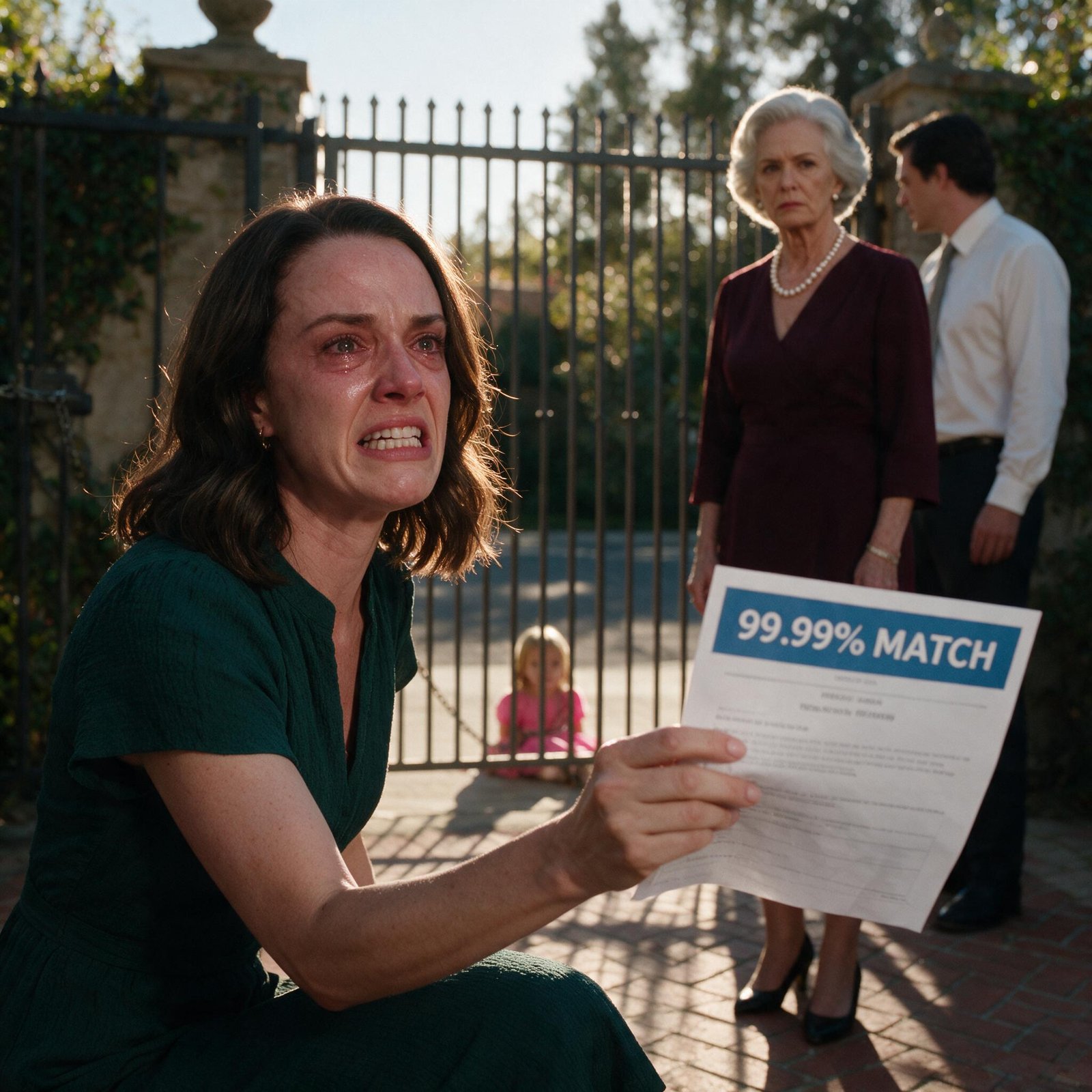
The DNA report occupied less than three minutes of the safety hearing.
Dana established that the samples had been witnessed, the identities verified and the 99.99 percent result uncontested.
Then she placed the report beneath the other exhibits.
The photographs of the silver chain mattered more.
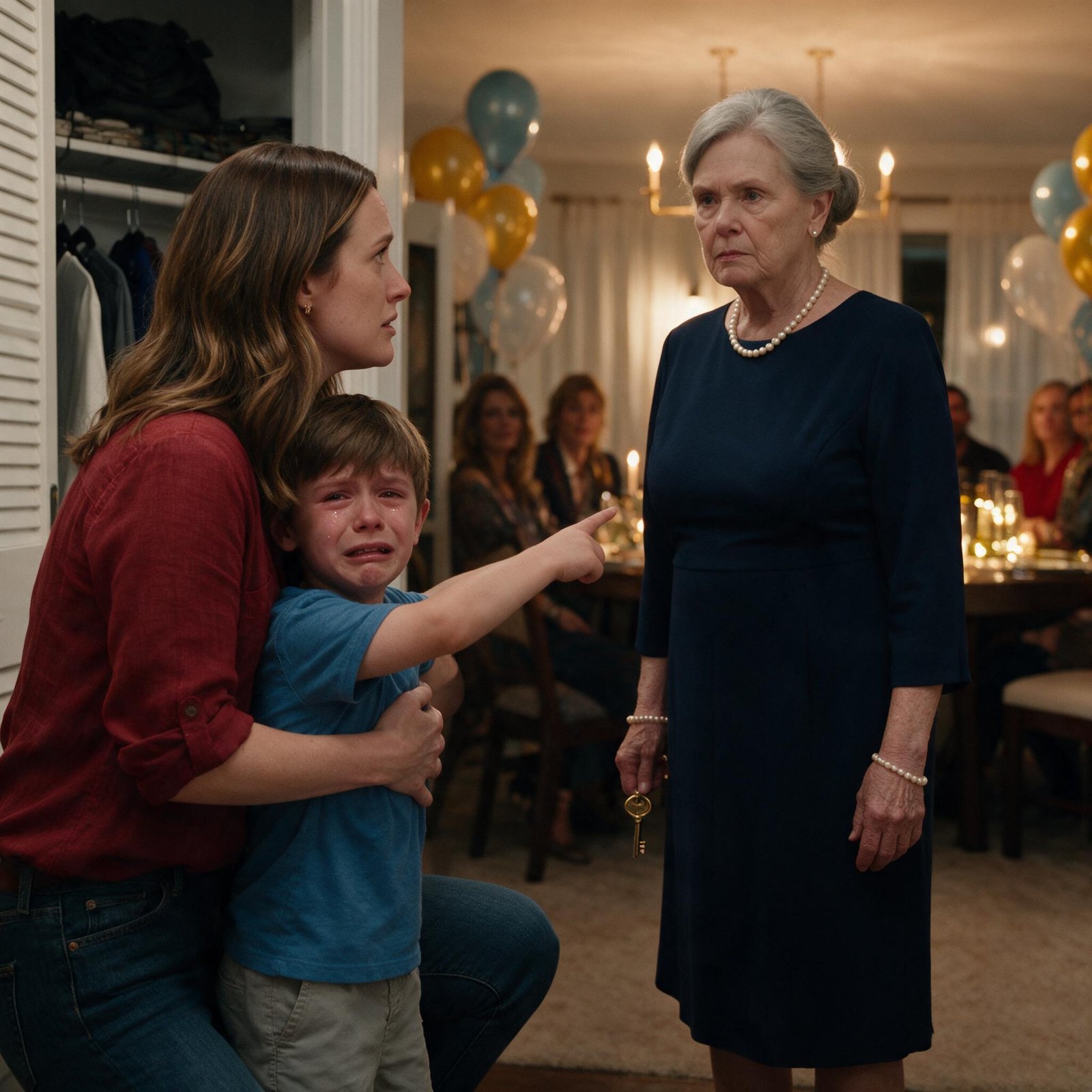
So did the message in which Eleanor said Mia would not enter her house while her blood remained uncertain.
So did Grant’s reply telling his mother not to make a scene without asking why a five-year-old’s access to shelter depended on a lab result.
Eleanor sat with her attorney at the opposite table.
She wore gray instead of burgundy and no pearls.
Her attorney argued that she had clipped the chain to fabric, not skin, and that she believed Mia might run toward the road.
The judge asked why the safer response had not been to bring the child inside, close the door and call her parents.
No one offered an answer.
Hannah testified only to what she had seen.
She did not claim Mia had been injured when Dr. Shah found no acute injury.
She did not add minutes no clock could prove.
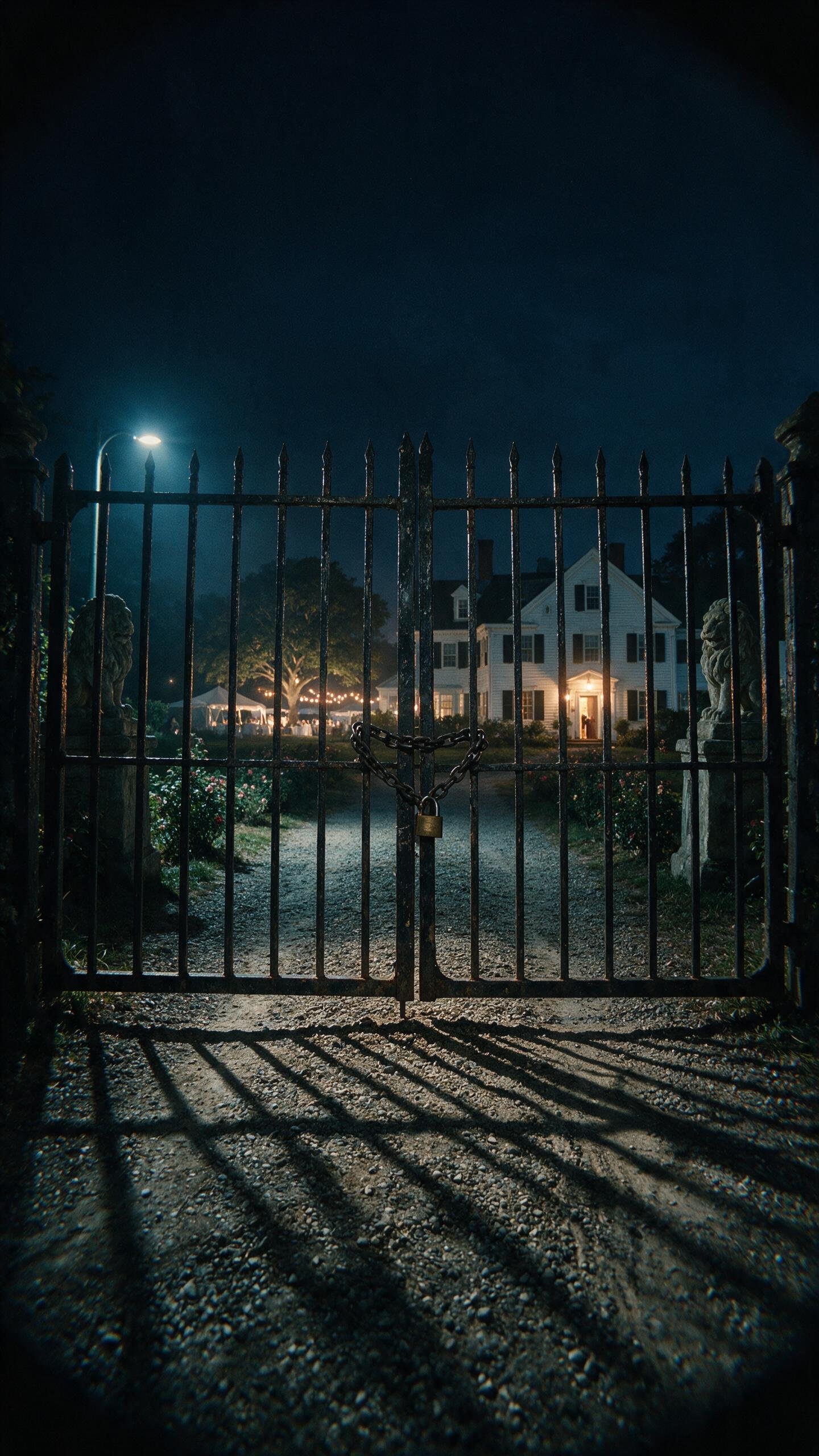
She described the gate, the sash, the key in Eleanor’s pocket and Grant’s hand around her wrist.
The restraint did not have to leave a bruise to be real.
Grant testified after her.
He admitted the false vasectomy story under oath.
He admitted that he never doubted Hannah’s fidelity or Mia’s paternity.
He admitted that he agreed to testing because he wanted a laboratory to settle a conflict he was afraid to settle himself.
When his lawyer asked whether he had authorized the chain, he said no.
When Dana asked whether he knew his mother intended to exclude Mia from the house until the result arrived, he said yes.
The judge continued the temporary no-contact order against Eleanor and barred her from contacting or picking up Mia.
Hannah separately revoked Eleanor’s school, medical and emergency-care authorizations that afternoon.
The child-safety investigation and prosecutor’s review would continue on their own timelines.
The parenting order did not erase Grant as a father.
It required his contact with Mia to remain professionally supervised, barred Eleanor from every visit and required Grant to complete individual counseling and a parenting-safety assessment before asking for any change.
Grant accepted the conditions without bargaining.
That was not heroism.
It was the minimum useful thing left to do.
The first professionally supervised visit took place six days later in a family center with soft chairs, shelves of toys and no locked exterior gate in sight.
Hannah watched from an adjoining room with the therapist.
Mia chose a puzzle and sat at one end of the table.
Grant sat at the other.
He did not ask for a hug.
He did not show her the DNA report.
He told her he was sorry for grabbing Mom, for looking at Grandma before looking at her and for failing to open the gate first.
He said adults were supposed to keep children safe even when adults were confused or angry.
Mia placed one blue puzzle piece beside another without joining them.
“Are you mad at Grandma?” she asked.
“I am responsible for keeping you away from her while the court says she is unsafe.”
“That isn’t what I asked.”
Grant breathed in.
“Yes.”
“I am angry with her, and I am angry with myself.”
Mia looked toward the mirror where she knew Hannah was watching.
“Mom had the paper.”
“She did.”
“It said I was yours.”
Grant’s mouth tightened.
“You were already my daughter.”
Mia picked up the blue piece again.
She turned it until it fit, then left her hand resting over the seam.
The question came without warning.
It was simpler than the lab report and harder than anything Grant had answered in court.
“If the paper said no, would you still open the gate?”
Part 4 of 5 · The DNA Said She Was His